


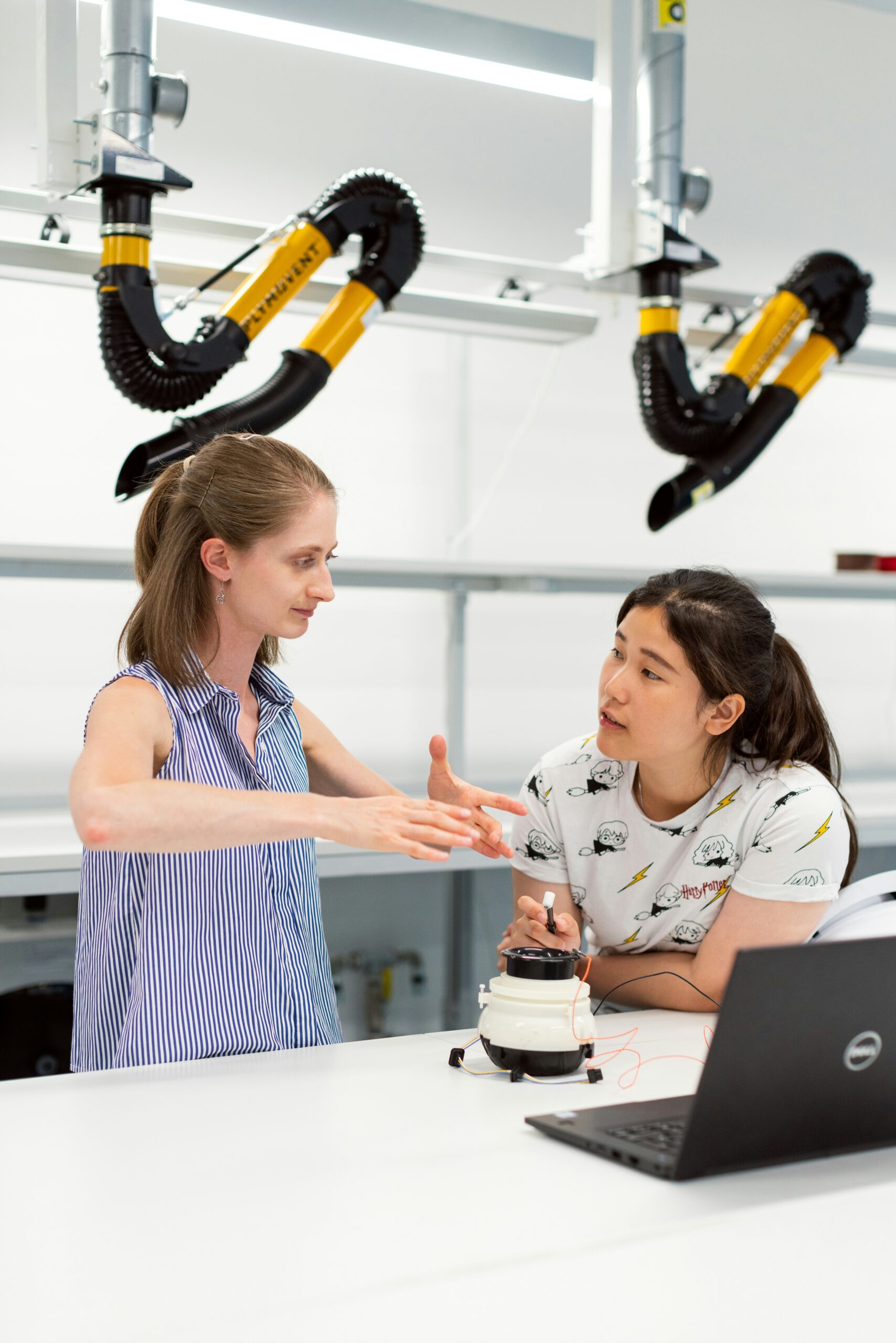
Your technical team doesn’t want more praise. They want you to notice the thinking.
Trust with a technical team rarely breaks in one dramatic moment… it wears down quietly.
When a new launch goes smoothly, someone says, “Nice work, glad we got that done.” Nothing about that is wrong, and most leaders would say it’s right to acknowledge the effort and keep the momentum going. But I’ve seen firsthand that in technical settings, where so much of what matters is invisible, that kind of praise can miss the part that counted most.
I’ve spent most of my career in the space between leadership and technical teams. Translating complexity into something the market understands, then translating business priorities into something engineers can use. It’s normal for leaders to praise what they can see, which is usually the outcome, the milestone reached successfully, and that the launch dates have all been met. What can be overlooked is that often, the technical people are listening for whether anyone noticed what it took to get there. Their way of thinking, outside-the-box troubleshooting, or calls they made when the answer wasn’t obvious.
A developer doesn’t spend three days on architecture decisions and edge cases to hear “great job on the feature.” They’re listening for some sign that the judgment behind the work was visible.
One study found that 69% of employees would work harder if their efforts were better recognized. Most leaders read that and decide to praise more often based on their ability to evaluate systems, employ sound logic, and navigate risk all day long. This matters most when it comes from someone who actually understands the work they do.
The fix is smaller than it sounds. Instead of “great work on that integration,” say what stood out in the thinking:
“That was a smart call on the tradeoff between speed and stability. It protected the rollout without creating a cleanup job downstream.”
“I could see the judgment there. You kept the whole system in mind instead of just closing the ticket.”
That tells them their reasoning was seen and their judgment is trusted, which is what keeps good people engaged.
This matters more in technical organizations than almost anywhere else, because the business runs on decisions nobody ever sees.
If something feels slightly off in how your team is responding, it may not be motivation and it may not be performance. It may be that your best people don’t feel seen for the way they think.
If that sounds familiar, book a discovery call with RevVizion.